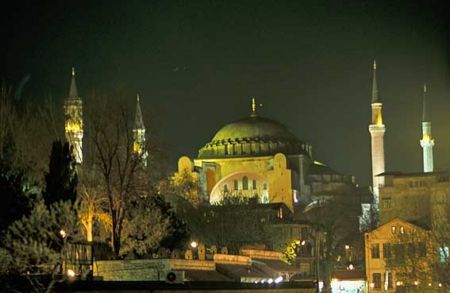
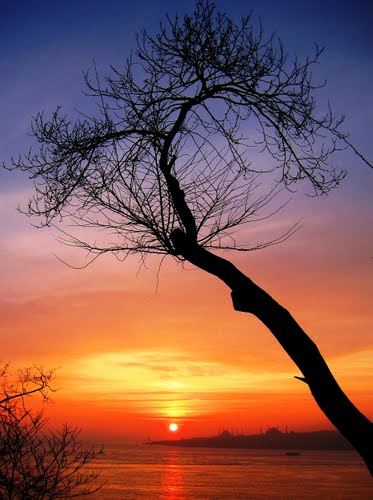
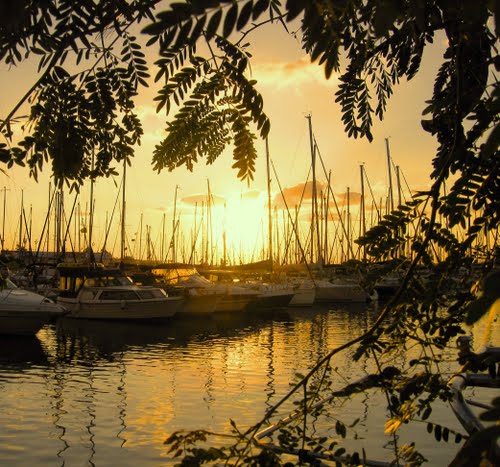
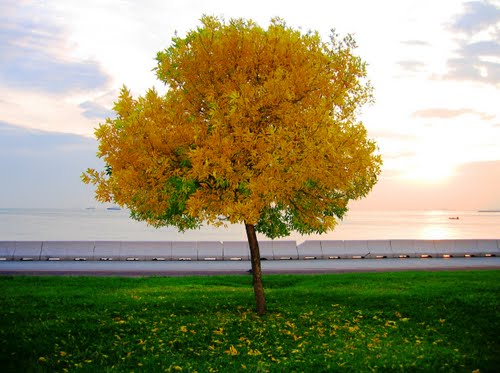
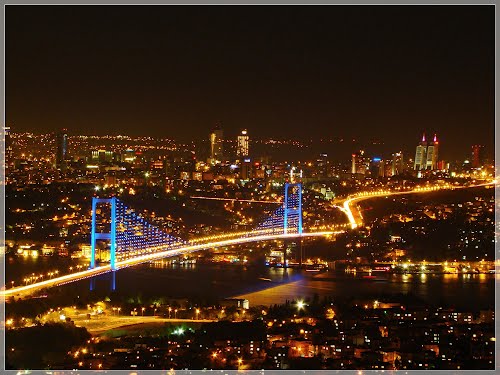
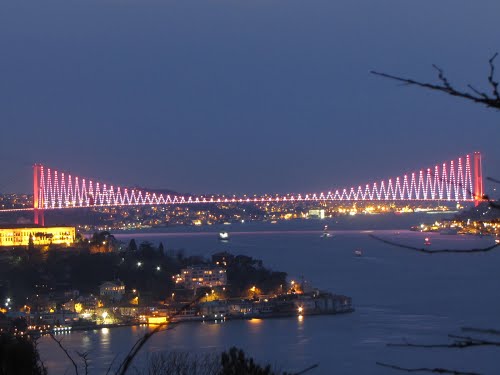
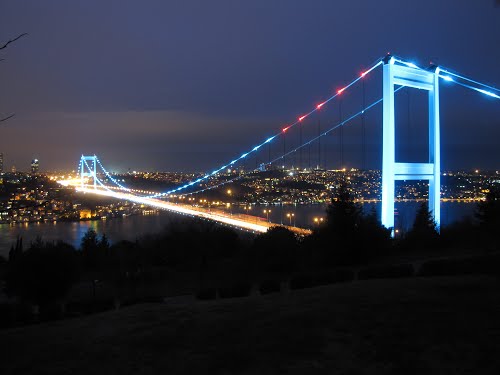
Istanbul (Turkish: İstanbul) is Turkey's most populous city, and its cultural and financial center. Located on both sides of the Bosphorus, the narrow strait between the Black Sea and the Marmara Sea, Istanbul bridges Asia and Europe both physically and culturally. Istanbul's population is estimated to be between 12 and 19 million people, making it also one of the largest in Europe and the world.
Istanbul was one of three European Capitals of Culture in 2010
Summer is generally hot with averages around 27ºC during the day and 18ºC at night. High relative humidity levels and the ‘concrete-island effect’ only make things worse. Expect temperatures of up to 35° C for the hottest days of the year. Summer is also the driest season, but it does infrequently rain. Showers tend to last for 15-30 minutes with the sun usually reappearing again on the same day. Flash floods are a common occurrence after heavy rainfalls (especially during summer), due to the city's hilly topography and inadequate sewage systems.
Winter is cold and wet, averaging 2ºC at night and 7ºC during the day. Although rarely below freezing during the day, high relative humidity levels and the wind chill makes it feel bitterly cold and very unpleasant.
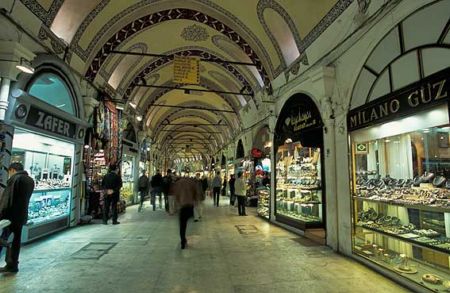
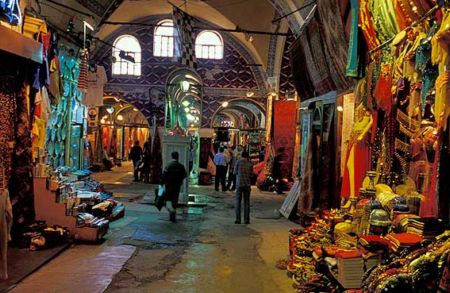
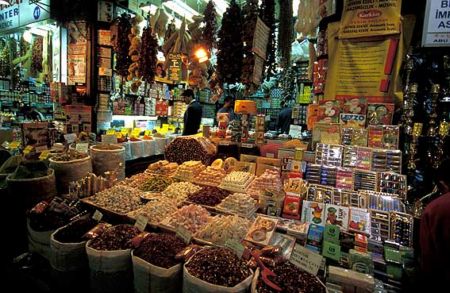
Connecting east and west, the will to control the major trading routes was the reason why Istanbul was founded in the first place, so shopping should definitely not be overlooked in your Istanbul experience.
The currency used in Istanbul is the Turkish Lira (TL) though the euro and US dollar are also accepted at places frequented by tourists (although certain tourist attractions such as the Hagia Sophia only accept liras). Currency exchanges (döviz bürosu) and banks are plentiful in Istanbul and offer extremely competitive exchange rates with no commission charged. If you are planning to visit Istanbul, bring hard foreign currency and exchange them after you arrive, preferably at a bank or a currency exchange
Beyoğlu is notoriously known for its night life; it's full of cafes and bars with live music. People from all classes and ethnicity can be found here.
Nişantaşı is the place for young entrepreneurs and artists, the prices are higher than Taksim.
Kadıköy also has a nightlife scene, serving mostly locals of this part of the city. It is usually has more easy-going style of nightlife, usually with local pubs and wine houses and traditional meyhanes. If you are not staying on that side of the city, it may not worth the trouble to make an inter-continental trip just to have a drink, but drop by if you are around and thirsty.
Nightclubs - While there are night clubs all over the city, two of the hottest clubs of Istanbul are in Ortaköy.
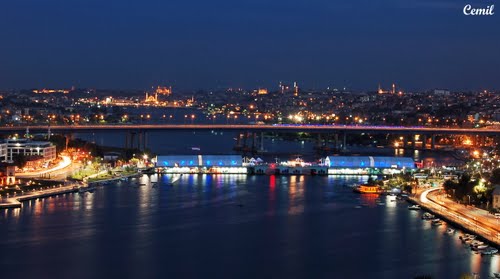
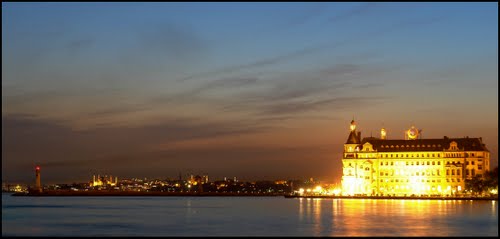
[miniatur|Luftaufnahme des Goldenen Horns – Halic Istanbul
Istanbul [ ( []) ist die bevölkerungsreichste Stadt der Türkei und deren Zentrum für Kultur, Handel, Finanzen und Medien. Das Stadtgebiet erstreckt sich am Nordufer des Marmarameeres auf beiden Seiten des Bosporus, der Meerenge zwischen Mittelmeer und Schwarzem Meer. Durch diese Lage sowohl im europäischen Thrakien als auch im asiatischen Anatolien ist Istanbul die einzige Metropole der Welt, die sich auf zwei Kontinenten befindet.
Das städtische Siedlungsgebiet beherbergt rund 13, 1 Millionen Einwohner und nimmt damit den vierten Platz unter den bevölkerungsreichsten Städten der Welt ein. Mit zwei zentralen Kopfbahnhöfen, zahlreichen Fernbusbahnhöfen, zwei großen Flughäfen und einem ausgeprägten Schiffsverkehr bildet Istanbul den größten Verkehrsknotenpunkt des Landes. Seine Transitlage zwischen zwei Kontinenten und zwei Meeresgebieten macht es zu einer wichtigen Station der internationalen Logistik.
Die unter den Namen Kalchedon und Byzantion erbaute Metropole kann seit der Gründung ihrer ursprünglichen Stadtteile auf eine 2600-jährige Geschichte zurückblicken, in der sie drei großen Weltreichen als Hauptstadt diente. Die Architektur ist von antiken, mittelalterlichen, neuzeitlichen und zuletzt modernen Baustilen geprägt, sie vereint Elemente der Griechen, Römer, Byzantiner, Osmanen und Türken miteinander zu einem Stadtbild. Aufgrund dieser Einzigartigkeit wurde die historische Altstadt von der UNESCO zum Weltkulturerbe erklärt. Lange Zeit war Istanbul ein bedeutendes Zentrum des orthodoxen Christentums und des sunnitischen Islams, es ist der Sitz des ökumenischen Patriarchen und hat zahlreiche Moscheen.
Für das Jahr 2010 hat Istanbul den Titel Kulturhauptstadt Europas erhalten.
Description above from the Wikipedia, licensed under CC-BY-SA full list of contributors
here.